Eyes on the community
Investigation11 min read
Accra's silent logistics gap is reshaping how West African founders scale
A six-month reporting project tracing the warehousing bottlenecks, port delays, and informal corridors that decide which ventures survive year one.
AS
Ama Serwaa
Published 24 Aug 2026
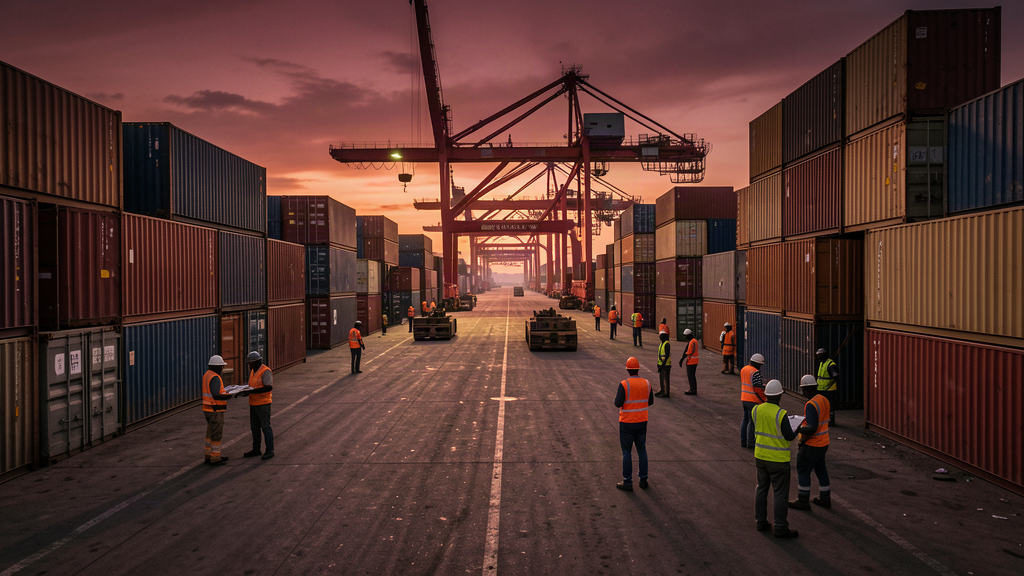
The container sat at Tema port for nineteen days before anyone at the startup knew it had cleared customs. By then the retailer who had promised to stock it had moved on. The founders did not lose the order because the product was wrong. They lost it because the distance between a ship and a shelf in this city is still paved with guesswork.
This is the quiet infrastructure story behind West Africa's founder boom: not who raises capital, but who can actually move things. We spent six months following eleven ventures across Accra, Kumasi, and the corridor to Abidjan to map where the system helps and where it quietly breaks.
The numbers behind the bottleneck
Warehousing inside the city is scarce and expensive, pushing inventory to the fringes. Port clearance times swing wildly by broker. And the corridors that actually work are informal, relationship-driven, and invisible to anyone outside the network.
One operator described the week the border reopened as the difference between a quarter that closed in the black and one that did not. The same shipment, rerouted through a known corridor, arrived in four days instead of eleven. Nothing about the product changed. The route did.
What the data tells us
"You can build the best thing in the region. If you cannot get it to the person who wants it, you do not have a company. You have a prototype with a warehouse problem."
For founders, the lesson is unglamorous: treat logistics as a first-class function, not a last step. For policymakers, the data points to a narrow set of fixes: bonded warehousing near demand, predictable clearance SLAs, and a public corridor map. None of it is romantic. All of it is the difference between a venture that scales and one that stalls.
The corridor economy
The Abidjan-Accra-Kumasi triangle moves more goods than any formal trade agreement captures. Informal corridors — built on relationships, phone calls, and cash — carry everything from textiles to electronics. They work until they don't.
We documented twelve instances where a single border closure rerouted supply chains through three countries, adding weeks and erasing margins. The founders who survived were the ones who had mapped alternatives before they needed them.
What happens next
hoodmanlive will keep this thread open. The next report follows the small manufacturers already running regional, quietly, without the headlines. If you are building in this space, we want to hear from you.

Related reporting
The Dispatch
A weekly editorial digest — no marketing, just the stories that matter. Sent every Friday.